
(03) 9583 0965 bruce@gbrand.com.au
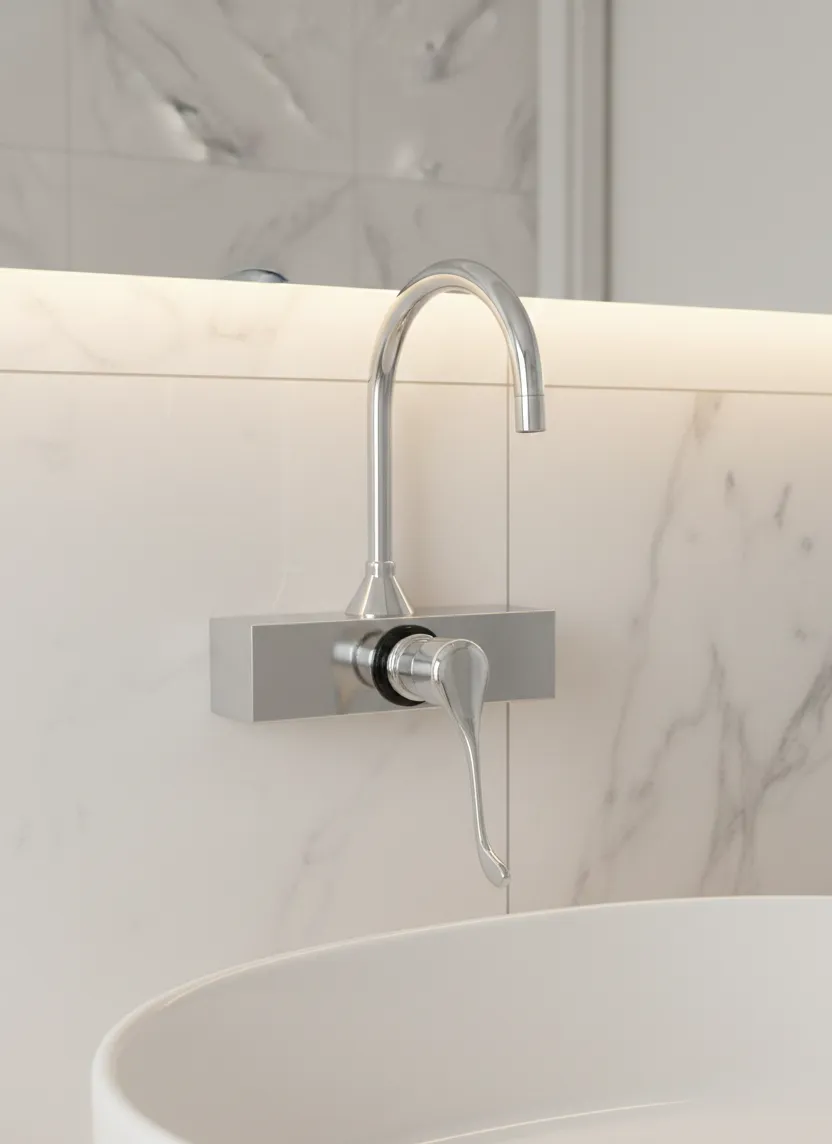 Anti-scald tapware standards matter for hospital safety. Mixermate Australia provides a 2026 compliance guide for facility managers in Melbourne.
The operational integrity of Australian healthcare facilities relies heavily on rigorous water safety protocols. Facility managers must navigate complex requirements to prevent thermal injury. Compliance with anti-scald tapware standards is non-negotiable for patient safety. This mandatory compliance also mitigates litigation risk and upholds the highest duty-of-care obligations.
The primary regulatory framework governing heated water systems is outlined in the National Construction Code. This code references Australian Standards such as AS/NZS 3500.4 and AS 4032.1. These standards require that water delivered to sanitary fixtures must not exceed 45 °C to reduce the risk of severe scald injuries in vulnerable patient groups.
Compliance depends on the installation and strict maintenance of thermostatic mixing valves (TMV). These devices provide more precise temperature control than domestic tempering valves. Each TMV includes a thermal shutoff mechanism that immediately stops heated water flow if the cold-water supply fails.
Implementing effective scald prevention demands strict adherence to both mandated physical components and regular service requirements. Maintaining compliance with anti-scald tapware standards requires understanding the specific devices and procedural elements for sustained operational safety.
Key device and maintenance requirements include:
• TMV installation complying with AS 4032.1
• Maximum outlet temperature set at 45°C
• Annual TMV verification and servicing documentation
• Routine maintenance checks on pressure and flow rates
• Documentation retention for auditing and reporting
Facility managers are advised to develop a structured implementation roadmap to address upcoming compliance audits effectively. This proactive approach ensures all installed fittings, particularly high-usage assets, meet the precise performance criteria stipulated by Australian regulation:
Essential steps for facility managers include:
• Asset Register Audit: Conduct a comprehensive facility-wide inventory to identify all existing thermostatic mixing valves and high-risk tapware locations within the hospital.
• Performance Verification: Schedule accredited mandatory annual testing, verifying the shut-off function and temperature stability of every TMV unit across all wards.
• High-Risk Area Prioritisation: Focus capital expenditure on patient areas. Prioritise accessible bathrooms and wash basins, as adherence to anti-scald tapware standards directly impacts vulnerable patients.
• Documentation Protocol Establishment: Centralise all testing, maintenance, and replacement records to create an irrefutable compliance history for regulatory body inspection and auditing.
• Staff Training and Awareness: Implement recurring training programs for clinical and maintenance personnel covering TMV function and proper response protocols for temperature fluctuations.
For detailed guidance on heated water systems and Legionella risk management within clinical settings, review the Requirements for the Provision of Cold and Heated Water – NSW Health.
Meeting the current and future expectations for hospital plumbing systems demands specialised expertise and high-quality, purpose-built components.
At Mixermate Australia, we understand the critical intersection of public health and infrastructure requirements. We offer specification-compliant tapware solutions designed for robust performance in high-demand clinical environments, supporting facilities in meeting anti-scald tapware standards. This expertise ensures your facility remains safe, functional, and fully accredited.
Contact us today to discuss a tailored compliance upgrade strategy for your hospital network.
Related Blog Article: Anti-Scald Mixer Taps: Why Hospitals & Care Facilities Trust Mixermate

Mixermate Australia’s premium water-saving shower mixers in Melbourne deliver consistent temperature control, efficiency, and reduced summer water bills.
Rising summer temperatures often lead to increased household water usage. Water-saving shower mixers offer a practical solution by striking a balance between comfort and conservation. These advanced fixtures are designed to minimise water waste while ensuring consistent flow and temperature control throughout the season.
Modern water-saving shower mixers use innovative flow restrictors and thermostatic control to reduce water output without compromising performance. By maintaining precise temperature levels, they eliminate the need for excessive adjustments that typically waste litres of water. The result is a more efficient showering experience that supports sustainable resource use and lowers energy consumption.
The detailed evaluation by the Water Efficiency Labelling and Standards (WELS) scheme (2018) on Evaluation of the environmental and economic impacts of the WELS scheme promotes that optimised water systems can cut household water usage by up to 30%. Thermostatic mixers respond faster to temperature fluctuations, reducing water-run time and providing consistent output. These technologies help homeowners in Australia achieve measurable savings on both water and energy bills during peak summer months.
Thermostatic cartridges, ceramic discs, and precision-engineered flow valves are integral to the performance of modern water-saving shower mixers. These components work together to stabilise water flow and temperature instantly, even when household demand changes. This advanced design eliminates temperature spikes or drops, ensuring safe, efficient, and consistent performance.
Improved water delivery systems within water-saving shower mixers significantly enhance conservation outcomes across residential settings. Incorporating these smart designs supports Australia’s broader goals for water sustainability and resource management. Homeowners gain both comfort and confidence knowing that every litre is optimally used.
Efficient shower mixers offer more than just reduced utility bills. They deliver lasting performance, environmental sustainability, and enhanced operational value, making them an intelligent investment for any modern home.
• Consistent Temperature Regulation – Delivers precise water temperature control through thermostatic technology, minimising fluctuations and preventing waste during manual adjustments.
• Lower Water Consumption – Integrates precision flow restrictors that limit excess output, helping households achieve measurable water savings without compromising comfort.
• Energy Efficiency – Reduces the workload on hot water systems by maintaining stable temperatures, translating to lower energy consumption and operational costs.
• Enhanced Durability – Built with corrosion-resistant materials and advanced sealing mechanisms to ensure long-term performance and reduced maintenance requirements.
• Sustainable Living – Encourages responsible water usage and supports Australia’s broader conservation initiatives while maintaining everyday convenience and comfort.
Upgrading to our water-saving shower mixers ensures precise temperature control, lower energy use, and noticeable water savings in daily routines. At Mixermate Australia, each unit is engineered with thermostatic cartridges and flow-control technology that deliver both performance and reliability. The installation contributes to smarter resource management, supporting a more efficient and environmentally responsible future for Australian homes.
Contact us to get expert advice on upgrading to an eco-efficient shower system for your home.
Related Blog Article: Save Water Smartly: How a Mixer-Mate Shower System Reduces Water Waste

Phone: (03) 9583 0965
Mobile: 0411 072 132
Email: bruce@gbrand.com.au